Two Widely Consumed Wild Mushrooms from Central Côte d'Ivoire: Phytochemical Compounds and Radical Scavenging Abilities
Hermann Fourier Atta Anno, Eugène Jean Parfait Kouadio,
Kouakou Martin Djè, Ahipo Edmond Dué, Lucien Patrice Kouamé
Laboratory of Biocatalysis and des Bioprocessing, Department of Food and Technology, University Nangui Abrogoua (Ex University of Abobo-Adjamé), Abidjan, Côte d’Ivoire
Email address

(E. J. P. Kouadio)
Citation
Hermann Fourier Atta Anno, Eugène Jean Parfait Kouadio, Kouakou Martin Djè, Ahipo Edmond Dué, Lucien Patrice Kouamé. Two Widely Consumed Wild Mushrooms from Central Côte d'Ivoire: Phytochemical Compounds and Radical Scavenging Abilities. AASCIT Journal of Bioscience. Vol. 2, No. 2, 2016, pp. 17-29.
Abstract
This study presents data on phenolic compounds contents, HPLC-profiles of individual phenolic compound and organic acids and DPPH Scavenging Abilities of widely consumed wild mushrooms identified as Volvariella volvacea and Psathyrella tubercula from the three the regions of central Côte d’Ivoire. Contents of total phenolic, flavonoids and tannins in samples of V. volvacea were estimated by colorimetric assays in ranges of 302.15-345.60mg (GAE)/100 g DW, 73.86-86.86 mg (QE)/100 g DW and 167.40-177.82 mg (TAE)/100 g DW, respectively; regarding P. tuberculata, these parameters were assessed in ranges 392.31-406.73 (GAE)/100 g DW, 55.07-63.77 (QE)/100 g DW and 200.02-214.38 (TAE)/100 g DW, respectively. In terms of individual phenolic compounds, catechin, ellagic acid, protocatechuic acid and cinnamic acid were found with significant amounts in samples of V. volvacea from the three regions. As for samples of P. tuberculata, the major phenolic compounds detected in the three regions were gallic acid, catechin and ellagic acid. With respect to organic acids, the results showed that citric acid was the major organic acid in all the samples of both mushrooms species. Shikimic acid and fumaric acid were also found with significant amounts in samples of V. volvacea from Bélier and N’Zi regions and in samples of P. tuberculata from Gbêkê and Bélier regions, respectively. The methanolic extracts from all mushrooms samples exhibited the DPPH radical scavenging activities ranging from 50.88 to 64.24%. Ultimately, both mushroom species highly consumed in central Côte d’Ivoire could be regarded as good source of natural antioxidant for local population.
Keywords
Mushrooms, Volvariella volvacea, Psathyrella tubercula, Phenolic Compounds, Organic Acids, DPPH Scavenging
1. Introduction
Wild mushrooms have always constituted a part of human diet in many countries in the world for centuries due to their organoleptic characteristics as well as the nutritional values [1,2]. In general, mushrooms are referred as precious healthy foods, low in calories, fat and rich in vegetable protein, vitamins and minerals [3,4].
Although nowadays, many species of edible wild mushrooms are able to be cultivated, collecting wild mushrooms in the wild for the food and commercial purposes remains a significant activity in many developing countries [5-8].
In Côte d'Ivoire and in most countries of Humid Tropical Africa, in the rain season, wild mushrooms are picked in the wild by the rural population for their own consumption as well as commercial purposes. In central area of this country, two wild mushrooms identified as Volvariella volvacea and Psathyrella tubercula are among well appreciated and highly consumed mushroom species by the local communities [9]. V. volvacea and P. tuberculata are known in local language (Baoulé) as"Boyéfè" and "Ndré blé", respectively. Generally, these mushrooms are harvested on oil palm frustums decaying for V. volvacea and on the trunks and roots of dead trees for P. tuberculata, respectively.
Moreover, nowadays, it appears advisable to have a better knowledge of biological potential of wild edible mushrooms species. For this reason, currently, mushrooms are become a focus of interest of many researchers as a source of bioactive compounds such as organic acids and antioxidants compounds [10-12]. It is well-established that antioxidant activity is mainly related to their phenolic content [13,14] and organic acids influence the organoleptic properties of food matrices, and have also been used for their quality control [15]. Relative to this, several reports focusing on total phenols and antioxidant activities of wild and cultivated mushrooms have been published [8,10,16,19,20].
To our knowledge, there is no literature data on levels of phenolic compounds and organic acids as well on antioxidant activities concerning both wild edible mushrooms species from Côte d'Ivoire. Therefore, in this study, phenolic compounds, organic acids and antioxidant activity in these widely consumed wild edible mushrooms from the three administrative regions of central Côte d’Ivoire were investigated. Thus, apparently for the first time, the analysis of phenolic compounds content by colorimetric assay and the identification and quantification of individual phenolic compounds and organic acids by HPLC, in V. volvacea and P. tuberculata from Côte d’Ivoire were carried out. Their antioxidant activity via their ability to scavenge DPPH (1,1-diphenyl-2-picrylhydrazyl) free radical were also explored.
2. Materials and Methods
2.1. Standards and Reagents
Citric, oxalic, ascorbic, succinic, malic, fumaric, Salicylic and tannic acids, Folin-Ciocalteu were purchased from Sigma-Aldrich (Steinheim, Germany). Caffeic, benzoic, Gallic, o-phosphoric, ellagic and cinnamic acids, acetonitrile, catechin; naringennin and quercetin were provided by Merck (Darmstadt, Germany). 1,1-Diphenyl-2-picrylhydrazyl (DPPH), aluminum chloride and p-hydroxybenzoic acids were obtained from Sigma Chemical Co (St, Loius, MO, USA). Methanol was purchased from Prolabo.
2.2. Sample Collection
The species of mushrooms used in this work were picked in the wild in the three administrative regions of central Côte d'Ivoire which were region of Gbêkê Bélier and N’Zi. Taxonomic identification was carried out by Dr Souleymane Yorou Nourou (Abomey Calavy University of Benin/ Munich University of Germany), as Volvariella volvacea and Psathyrella tubercula. Samples of V. volvacea and P. tubercula were harvested on oil palm frustums decaying and on the trunks and roots of dead trees, respectively. After picking, the mushrooms were immediately transferred to the laboratory and cleaned.
2.3. Preparation of Phenolic Compound Extract
The different samples of mushrooms were dried at 25°C for ten days, until constant weight, as described previously with slight modifications [15]. Then, each mushroom sample was ground into a fine-dried powder (mill IKA, Germany/Deutschland) and 10 g of each fine-dried mushroom powder was extracted by stirring with 50 ml of methanol 80% (v/v) at 25°C for 24 hours and filtered through Whatman no 4 paper. The residue was then extracted with two additional 50 ml portions of methanol. The combined methanolic extracts were evaporated at 35°C (rotary evaporator HEILDOLPH Laborata 4003 Control, Schwabach, Germany) until 25 ml, prior to phenolic compound contents determination and HPLC analysis.
2.4. Preparation of Organic Acid Extract
The organic acids of dried mushroom samples were extracted by grinding (Waring Blendor, Polychimie, Abidjan, Côte d’Ivoire) in distilled water (1:10, w/v) and clarified by centrifuging at 4000 rpm for 30 minutes. The supernatant was first filtered through Whatman no 4 paper, then through 0.45 µm filter (Millipore; Sartorius AG, Goëttingen, Germany) prior to HPLC analysis.
2.5. Determination of Total Phenolic Compound Content
Contents of total phenolic compounds were determined using Folin-Ciocalteu method [21]. Briefly, 1 mL of methanolic extract of each sample was added to 1 mL of Folin-Ciocalteu’s solution in a test tube. After 3 minutes, 1 ml of 20% sodium carbonate solution was added to the mixture and adjusted to 10 ml with distilled water. The mixture was allowed to stand at room temperature in a dark environment for 30 min. Absorbance was measured against the blank reagent at 725 nm. Gallic acid was used for the calibration curve with a concentration range of 50-1000 μg/ml. Results were expressed as mg gallic acid equivalent (GAE)/100g DW (Dry Weight). All experiments were performed in triplicate.
2.6. Determination of Flavonoid Content
Total flavonoid content was determined according method used by [22], but slightly modified. A volume of 0.5 ml of methanolic extract of each mushroom sample was diluted in 0.5 ml of distilled water. Then, 0.5 ml of aluminum chloride 10% (P/V) and the same volume of sodium acetate 1M were added. Finally, 2 ml of distilled water was added and absorption reading at 415 nm was carried out after 30 min against a blank sample consisting of a 4 ml methanolic extract without aluminum chloride. Quercetin was used for the calibration curve with a concentration range of 0-100 μg/ml. Results were expressed as mg of quercetin equivalent (QE)/100g DW. All experiments were performed in triplicate.
2.7. Determination of Tannin Content
Tannins content was estimated using the method described by Bainbridge et al. [23]. A volume of 1 ml of each methanolic extract was collected and mixed with 5 ml of reaction solution [vanillin 0.1mg/ml in sulphuric acid 70% (V/V)]. The mixture was allowed to stand at room temperature in a dark environment for 20 min. The absorbance was measured at 500 nm against a blank (without extract). Tannic acid was used for the calibration curve with a concentration range of 0-100 μg/ml. The results were expressed as mg of tannic acid equivalents (TAE)/100 g DW. All experiments were performed in triplicate.
2.8. Identification and Quantification of Phenolic Compounds by HPLC Analysis
The phenolic extracts previously prepared (50 ml) were diluted in 100 ml of distilled water and 20 µl of each sample were analyzed using an analytical HPLC unit (HPLC (Shimadzu Corporation, Japan) equipped with a binary pump (LC-6A) coupled to a UV-VIS detector (SPD-6A). Phenolic compounds were separated on a column ICSep ICE ORH-801 (length 25 cm) at a temperature set at 30°C. The mobile phase consisted of 50 mM NaH4H2PO4 to pH 2.6 (eluent A), a solution of acetonitrile/NaH4H2PO4 (80:20, v/v) (eluent B) and 200 mM acid o-phosphoric pH 1.5 (eluent C). The operating time was 70 min with a flow rate of 1 ml/min. Phenolic compounds in methanolic extract of mushroom samples were identified through comparison of their retention times and UV-visible spectra with those obtained by injection of the standard solution under the same conditions. Peak area was used for quantitative purposes, using external calibration with standards.
2.9. Identification and Quantification of Organic Acids by HPLC Analysis
The separation of the organic acids was carried out by using a system consisting of an analytical HPLC unit (Shimadzu Corporation, Japon) in conjunction with a column heating device set at 35°C with the aid of an oven Meta Therm TM (Interchrom, France), with an ions exclusion column ICSep ICE ORH-801 (40 cm x 5 µm, Interchom, France). The system was also coupled to a pump (Shimadzu LC-6A Liquid Chromatograph), a UV detector (Shimadzu SPD-6A UV Spectrophotometric Detector) and an integrator (Shimadzu Chromatopac CR 6A). Elution was carried out isocratically with sulphuric acid 0.04 N, at a solvent flow rate of de 0.6 ml/min and detection was performed at 210 nm. Organic acids in mushroom extracts were identified by comparing the retention times and spectral data obtained from standards under the same conditions. Quantitation was performed by comparing the peak areas with those of the respective external standards.
2.10. Estimation of DPPH Radical Scavenging Abilities
The DPPH scavenging activity was determined using the method described by Shimada et al. [24]. Each sample of methanolic extract (2.5 ml) was mixed with 1 ml of a 3 mM DPPH methanol solution. After 30 min incubation at room temperature in the dark, the absorbance of the mixture was determined at 517 nm against a blank containing methanol without DPPH radical. A lower absorbance indicates a higher scavenging activity. Absorbance was converted to the DPPH radical-scavenging rate according to the equation:
DPPH radical scavenging rate (%)
= [(Acontrol-Asample)/Acontrol] x100.
2.11. Statistical Analysis
All chemical analyses and assays were performed in triplicate, unless otherwise indicated. Results were expressed as mean values ± standard deviation (SD). Analysis of variance (ANOVA) followed by Duncan’s test was performed to test for differences between means by employing Kyplot (version 2.0 beta 15, ©1997-2001, Koichi Yoshioka) statistical software. Significance of differences was defined at the 5% level (p < 0.05).
3. Results and Discussion
3.1. General Phenolic composition of mushroom samples
The contents of total phenolic, total flavonoids and tannins of methanolic extracts of V. volvacea and P. tuberculata collected in the three administrative regions of central Côte d’Ivoire are presented in Table 1
Table 1. Total phenolic compounds, flavonoids and tannins of sample V. volvacea and P. tuberculata from central Côte d’Ivoire.
| Species | Regions | Total phenolics (mg/100g) | Total flavonoids (mg/100g) | Total tannins (mg/100g) |
| Volvariella volvacea | Gbêkê | 302.15±1.11b | 86.86± 0.61c | 177.82± 0.70c |
| Bélier | 342.27± 0.86a | 73.86± 0.65a | 167.40± 1.03a |
| N’zi | 34560± 1.70a | 81.77± 0.89b | 174.23± 1.06b |
| Psathyrella tuberculata | Gbêkê | 40673± 0.97c | 55.07± 0.60a | 214.38± 0.56b |
| Bélier | 392.31± 0.73a | 55.20± 0.40a | 200.37± 0.22a |
| N’zi | 397.19± 1.25b | 63.77± 0.69b | 200.02± 0.79a |
Each value is an average of three replicate.
Values are mean ± standard deviation.
Means not sharing a similar letter in a column are significantly different p < 0.05 as assessed by the test of Duncan.
With respect to samples of V. volvacea, the highest levels of total phenolic were detected in N’Zi and Bélier regions (342-345 mg (GAE)/100g DW) whereas samples of Gbêkê region displayed a content of 302 mg (GAE)/100g DW. Regarding P. tuberculata, total phenolic contents were in the range of 392.31 mg (GAE)/100g DW (Bélier region) to 406.73 mg (GAE)/100g DW (Gbêkê region) with 397.19 mg GAE/100g DW for N’Zi region. To get more information on the nature of these phenolic compounds, the levels of total flavonoids and tannins were also determined. For levels of total flavonoids, results indicated that the methanolic extracts of samples from V. volvacea exhibited total contents of 73.86 (Bélier Region), 81.77 (N’Zi Region) and 86.86 (Gbêkê Region) mg (QE)/100g DW. As for tannins, it was observed that their contents were ranged between 167.40 and 177.82 mg TAE/100g DW with the higher value in Gbêkê Region. With respect to P. tuberculata, concentrations of flavonoids and tannins ranged from 55.07 to 63.77 mg (QE) /100g DW and 200.02 to 214.38 mg (TAE) /100g DW, respectively. Overall, for total phenolic, flavonoids and tannins contents, in some cases, there were significant differences (p < 0.05) between the samples of the same species from the three regions and in others cases, there were no significant differences (p < 0.05). From our results, it follows that V. volvacea and P. tuberculata collected in three administrative regions of central Côte d’Ivoire had relatively high contents of total phenolic compounds, since several reports indicated total phenolic contents from others wild mushrooms in the range of our results [19,20,25,28]. These relatively high contents of phenolic compounds obtained in this work could be explained in part by the nature of the extraction solvent used. Indeed, it is known that phenolic compounds extraction from their natural environment depends on their solubility in the solvent used [29]. Thus, methanol which is a polar solvent has generated high extraction yield. Additionally, many reports have showed that methanol constitute one of the best solvents for extraction of total phenolic compounds in mushrooms [1,30,32]. These relatively high contents of total phenolic compounds observed in samples of V. volvacea and P. tuberculata from the three administrative regions of central area of Côte d’Ivoire could constitute an interesting data for local population nutrition,, since it had been reported that the antioxidant activity of plant materials was well correlated with the content of their phenolic compounds [1,33]. Additionally, phenolic compounds are involved in stabilizing lipid peroxidation [34]. Concerning flavonoids, they are among the most interesting groups of natural phenolic compounds. Indeed, flavonoids are known to be endowed antioxidant properties by breaking the radical chains and more stable products in the membranes of the hepatic microsomes [35], and also to have an important role in the instinctive protection against oxidative stress [36]. The amounts of flavonoids in methanolic extracts of our mushroom samples were in the range of those reported for others wild mushrooms studied elsewhere [37,38]. Nevertheless, these flavonoid levels were well below than some values of literature [19,39,40]. However, Hussein et al. [20] reported levels of flavonoids lower (between 20.86 and 2.49 mg (QE) 100g-1DW) in wild mushrooms collected in Tanzania. But also, it is necessary to emphasize that the determination of flavonoids is highly selective with respect to their structure since the isoflavone derivatives not give color with aluminum chloride [41]. This could influence the flavonoid content. Tannins constitute one class of natural phenolic compounds which contribute in part to the antioxidant properties of plants and mushrooms [27,34,42]. But, when the tannins are available with content above 10% of the total dry weight, they can act as an antinutrient by affecting the nutritional potentials of the mushroom (protein digestibility and metal ions availability) [43]. Although seemingly high, tannin levels of our samples are well below 10% of total dry weight. So, these tannins could act as antioxidant compounds within our samples of mushrooms.
3.2. Identification and Quantification of Phenolic Compounds
The analysis by HPLC of the methanolic extract of our V. volvacea samples (Figure 1) showed the presence of five phenolic acids (protocatechuic acid, ρ-hydroxybenzoїc acid, ρ-coumaric acid, ellagic acid and Cinnamic acid) and one flavonoid (catechin) in samples of Gbêkê region; four phenolic acids (gallic acid, protocatechuic acid, ellagic acid and Cinnamic acid) and one flavonoid (catechin) in samples of Bélier region; six phenolic acids (gallic acid, protocatechuic acid, ρ-hydroxybenzoїc acid, ρ-coumaric acid, ellagic acid and Cinnamic acid) and one flavonoid (catechin) in samples of N’Zi region. With regard to samples of P. tuberculata, the analysis of their methanolic extract by HPLC (Figure 2) allowed to identify four phenolic acids (gallic acid, protocatechuic acid, ρ-coumaric acid, and ellagic acid) and two flavonoids (catechin and naringenin) in samples of Gbêkê region, also four phenolic acids (gallic acid, protocatechuic acid, ρ-hydroxybenzoїc and ellagic acid) and two flavonoids (catechin and naringenin); three phenolic acids (gallic acid, ρ-hydroxybenzoїc and ellagic acid) and two flavonoids (catechin and naringenin) in samples of N"zi region. For both kinds of samples, many peaks corresponding to others phenolic compounds were observed on the chromatograms. But, we had not been able to identify them and this, due to lack of corresponding standards in our laboratory. The tannins whose levels were not negligible in all samples could be among the unidentified phenolic compounds.
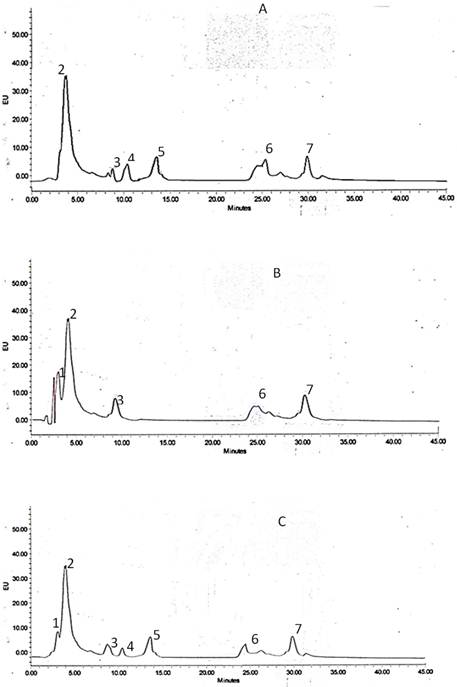
Figure 1. HPLC-profiles of phenolic compounds in V. volvacea from central Côte d’Ivoire.
(A: V. volvacea from Gbêkê, B: V. volvacea from Bélier, C: V. volvacea from N’Zi)
Detection at 280 nm: 1 (Gallic acid), 2 (Catechin), 3 (protocatechiuc acid), 4 (ρ-Hydroxybenzoic acid), 5 (ρ-Coumaric acid), 6 (ellagic acid), 7 (cinamic acid), 8 (naringenin)
All these phenolic compounds are reported for the first time in both species of mushrooms (V. volvacea and P. tubercula from Côte d’Ivoire. Furthermore, to our knowledge, this is also the first time that individual phenolic compounds are identified from these mushroom species, even if contents of total phenolic compounds and total flavonoids and antioxidant properties were widely documented amongst samples of V. volvacea from several countries [1, 27, 44, 46].
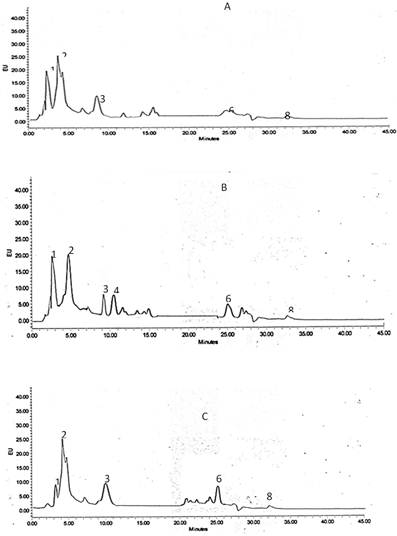
Figure 2. HPLC-profiles of phenolics compounds in P. tuberculata from central Côte d’Ivoire.
(A: P. tuberculata from Gbêkê, B: P. tuberculata from Bélier, C: P. tuberculata from N’Zi)
Detection at 280 nm: 1 (Gallic acid), 2 (Catechin), 3 (protocatechiuc acid), 4 (ρ-Hydroxybenzoic acid), 6 (ellagic acid), 7 (cinamic acid), 8 (naringenin)
However, generally most of these phenolic compounds identified in our samples were detected in numerous species of wild mushrooms investigated by several authors in many countries [3,8,15,47,48]
In terms of levels of each individual phenolic compound, for samples of V. volvacea, as indicated in table 2, catechin showed the highest concentration in the three administrative regions with statistically identical values (p < 0.05) around 101-102 mg/kg DW.. Kim et al. [49] and Palacios et al. [50] had also reported important concentrations of catechin in wild mushrooms from Korea and Spain, respectively. Cinnamic acid was detected with interesting concentration in samples of the three administrative regions (around 30 mg/kg DW, for the three regions). This phenolic acid was also identified in many wild or cultivated mushrooms such as Agaricus bisporus [10], Lactarius bertillonii and L. vellereus [51] Boletus badius [52]. Ellagic and protocatechuic acids were found in V. volvacea samples from the three regions with significant levels ranging 20.00±1.41to 28.00±10.41 and 10.50±2.12 to 20.60±0.14 mg/kg DW, respectively. Findings of Ribeiro et al. [15] had previously reported the presence of ellagic acid in mushroom Fistulina hepatica from Portugal. As for protocatechuic acid, Barros et al. [48] have already identified this phenolic acid as the main phenolic compound in Lepista. nuda and Ramaria botrytis also collected in Portugal. Gallic acid which constituted one of the major phenolic compounds in samples of V. volvacea from region of Bélier (65.40±6.50 mg/kg DW) and N’Zi (40.60±0.14 mg/kg DW), was not detected in sample of Gbêkê region. This phenolic acid was successfully investigated in many wild mushrooms such as Lactarius deliciosus [47], Russula senecis [53] and Boletus badius [52]. ρ-hydroxybenzoїc and ρ-coumaric acids were available in V. volvacea samples of Gbêkê and N"Zi regions, but not observed in sample of Bélier region. Levels of ρ-hydroxybenzoїc acid were 30.65±0.21 and 21.50±0.70 mg/kg DW in Gbêkê and N’Zi samples, respectively, whereas regarding ρ-coumaric acid, levels were 20.50±0.14 and 3.10±0.57 mg/kg DW, respectively. Both phenolic compounds were already identified in several wild mushrooms [3,15,54,55].
Table 2. Phenolic compound contents (mg/kg DW) of sample V. volvacea from central Côte d’Ivoire.
| Phenolic compound mg/Kg | Retention time (min) | V. volvacea |
| Gbêkê | Bélier | N’Zi |
| Gallic acid | 2.8 | nd | 65.40±6.50b | 40.60±0.14a |
| Catechin | 5.00 | 102.10±0.28a | 101.95±0.21a | 102.90±0.28b |
| Protocatechuic acid | 9.5 | 10.50±2.12a | 20.60±0.14c | 15.75±0.07b |
| ρ-hydroxybenzoїc acid | 10.50 | 30.65±0.21b | nd | 21.50±0.70a |
| ρ-coumaric acid | 12 | 20.50±0.14b | nd | 3.10±0.57a |
| Ellagic acid | 25 | 28.00±10.41a | 26.00±0.42a | 20.00±1.41b |
| Cinnamic acid | 30 | 30.00±0.21a | 30.55±0.21a | 30.55±0.07a |
Each value is an average of three replicate.
Values are mean ± standard deviation.
Means not sharing a similar letter in a line are significantly different p < 0.05as assessed by the test of Duncan. nd: not detected
With regard to P. tuberculata, in terms of individual phenolic compound quantification (Table 3), we noted that catechin was the major compound in samples of the three regions statistically identical values (p < 0.05) around 101 mg/kg DW for Gbêkê and N’Zi region and 99.85±0.35 mg/kg DW for Bélier region. Gallic acid was also preponderant in samples of the three regions with concentrations ranging between 30.45±0.07 and 80.8±0.14 mg/kg DW. It was the same for ellagic acid that displayed contents ranging from 20.65±0.70 to 28.50±0.70 mg/kg DW Protocatechuic acid displayed statistically identical rates (p < 0.05) around 20 mg/kg DW, in samples from regions of Gbêkê and Bélier, but it was not detected in sample of N’Zi region. As for ρ-hydroxybenzoїc acid, it was present with statistically identical contents (p < 0.05) around 39-40 mg/kg DW in samples from Bélier and N’Zi regions whereas it was not observed in sample from Gbêkê region. ρ-coumaric acid was not identified in samples from Bélier and N’Zi regions while it had a low rate in the sample from Gbêkê region. The samples of the three regions displayed statistically identical low contents of naringenin of around 3.50 mg/kg DW. This flavonoid was previously identified in mushroom species Lentinus lepideus [56] and L. elodes [57] from Korea.
Table 3. Phenolic compounds contents (mg/kg DW) of sample P. tuberculata from central Côte d’Ivoire.
| Phenolic compound (mg/Kg) | Retention time (min) | P. tuberculata |
| Gbêkê | Bélier | N’Zi |
| Gallic acid | 2.8 | 70.70±0.14b | 80.8±0.14c | 30.45±0.07a |
| Catechin | 5.00 | 101.05±0.21a | 99.85±0.35b | 101.4±0.28a |
| protocatechuic acid | 9.5 | 30.70±0.42a | 30.00±1.41a | nd |
| ρ-hydroxybenzoїc acid | 10.50 | nd | 39.05±1.48a | 40.45±0.21a |
| ρ-coumaric acid | 12 | 4.50±0.70 | nd | nd |
| Ellagic acid | 25 | 26.50±0.70b | 28.50±0.70c | 20.65±0.70a |
| Naringennin | 32 | 3.50±0.70a | 3.50±0.70a | 3.50±0.70a |
Each value is an average of three replicate.
Values are mean ± standard deviation. Means not sharing a similar letter in a line are significantly different p < 0.05as assessed by the test of Duncan.
nd: not detected
From these results focusing on contents of individual phenolic compounds, we can point out that overall; there were some significant differences between the three administrative regions of central area of Côte d’Ivoire. This could be explained by two reasons. Firstly, it is well-known that phenolic compound content in mushroom is instable over time after collection due to enzymatic and oxidative decomposition [55]. Secondly, phenolic compound content depend on the different stress conditions at which mushrooms were submitted within their natural ecological environment [29,48].
3.3. Identification and Quantification of Organic Acids
The organic acids profiles of V. volvacea showed that all the samples of the three administrative regions contained, citric, malic and fumaric acids (Figure 3). The main organic acid found in samples of the three regions was citric acid. In addition to these three organic acids, the different samples contained other organic such as oxalic and ascorbic acids (sample of Gbêkê region); oxalic and shikimic acids (sample of Bélier region); shikimic acid (N’Zi region). As for P. tuberculata, figure 4 revealed that fumaric acid was the preponderant organic acid in samples of Gbêkê and Bélier whereas sample of N’Zi displayed citric as the major organic acid. Samples of Gbêkê and N’Zi contained all organic acids tested in this work (apart from succinic acid for Gbêkê sample). In contrast, ascorbic, shikimic and malic acids were missing in the sample of Bélier.
In terms of content of each organic acid (Tables 4 and 5), it was noted that citric acid had the highest levels in samples of V. volvacea from the three regions. Indeed, content of this organic acid was 3238.20±9.62; 3341.52±2.51 and 2944.59±2.32 mg/kg DW in samples of Gbêkê, Bélier and N’Zi regions, respectively. Citric acid was also quantified in samples of P. tuberculata from the three regions with relatively high amounts in the range of [875.64±7.69-1072.94±2.98 mg/kg DW]. Due its antibacterial and antioxidant properties, the citric acid is known to be very important in the prevention of mushroom browning and to extend its shelf life [58,59].
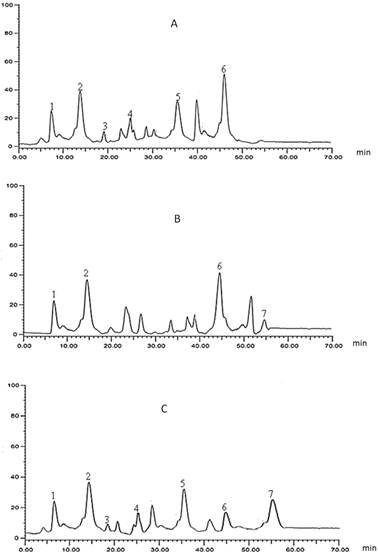
Figure 3. HPLC chromatograms of organic acids in V. volvacea from central Côte d’Ivoire.
(A: V. volvacea from Gbêkê, B: V. volvacea from Bélier, C: V. volvacea from N’zi)
1: Oxalic acid; 2: Citric acid; 3: Ascorbic acid; 4: shikimic acid; 5: Malic acid; 6: Fumaric acid
Shikimic acid had moderate concentrations in V. volvacea sample from Bélier (484.41±8.97 mg/kg DW) and N’Zi (398.67±1.93 mg/kg DW), but, it was not detected in sample from Gbêkê. Samples of P. tuberculata displayed also moderate concentrations of Shikimic acid in samples of Gbêkê and N’Zi (211.68±3.35 and 224.59±3.09 mg/kg DW, respectively). Other reports had previously indicated that Shikimic acid was identified in wild mushrooms with low contents [58,60]. Overall, ascorbic acid was present in all samples with low contents or was missing except in in V. volvacea from Gbêkê (316.66±2.17 mg/kg DW). Fumaric acid was detected in important amounts in samples of P. tuberculata from Gbêkê (1791.36±16.77 mg/kg DW) and Bélier (1897.86±7.43 mg/kg DW) while its level was enough moderate in sample of P. tuberculata from N’Zi and in all the samples of V. volvacea. Fumaric acid is an important organic acid because of its antioxidant, antimicrobial and acidifying properties [58,61]. Contents of malic acid were ranged from 278.18±4.41 to 345.81±5.04 mg/kg DW in all the samples, apart from in sample of P. tuberculata from Bélier which did not contain this organic acid. Malic acid which is well-known to be used as a food additive was also described in other wild mushrooms [61,62]. Overall, in all the samples investigated, oxalic and succinic acids showed small levels or they were not detected. However, it is worth pointing out that there are some minor or major peaks that have not been identified in each of the analyzed mushroom samples.
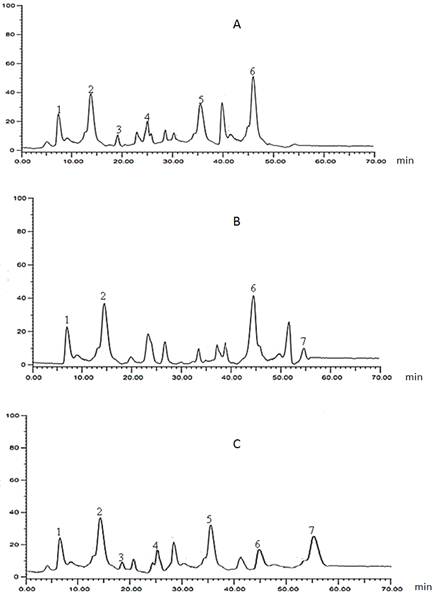
Figure 4. HPLC chromatogram of organic acids, in P. tuberculata from central Côte d’Ivoire
(A: P. tuberculata from Gbêkê, B: P. tuberculata from Bélier, C: P. tuberculata from N’zi)
1: Oxalic acid; 2: Citric acid; 3: Ascorbic acid; 4: shikimic acid; 5: Malic acid; 6: Fumaric acid; 7: Succinic acid
Table 4. Contents (mg/kg DW) of organic acids of sample V. volvacea from central Côte d’Ivoire.
| | V. volvacea |
| Organic acid (mg/kg DW) | Retention times (mn) | Gbêkê | Bélier | N’zi |
| Oxalic acid | 7.5 | 80.22±1.16b | 73.17±1.45a | nd |
| Citric acid | 14 | 3238.20±9.62b | 3341.52±2.51c | 2944.59±2.32a |
| Ascorbic acid | 18 | 316.66±2.17 | nd | nd |
| Shikimic acid | 25 | nd | 484.41±8.97b | 398.67±1.93a |
| Malic acid | 35 | 286.77±3.78a | 329.12±4.49b | 278.18±4.41a |
| Fumaric acid | 45 | 61.4±1.69a | 132.70±8.49c | 103.52±5.13b |
Each value is an average of three replicate.
Values are mean ± standard deviation.
Means not sharing a similar letter in a line are significantly different p < 0.05 as assessed by the test of Duncan
nd: not detected
Table 5. Contents (mg/kg DW) of organic acids of sample of P. tuberculata from central Côte d’Ivoire.
| P. tuberculata | |
| Organic acids (mg/kg DW) | Retention times (mn) | Gbêkê | Bélier | N’zi |
| Oxalic acid | 7.5 | 109.78±3.84a | 120.86±2.02b | 112.1±3.28a |
| Citric acid | 14 | 997.9±5.79b | 1072.94±2.98c | 875.64±7.69a |
| Ascorbic acid | 18 | 52.61±3.51b | nd | 41.52±1.24a |
| Shikimic acid | 25 | 211.68±3.35a | nd | 224.59±3.09b |
| Malic acid | 35 | 321.87±3.25a | nd | 345.81±5.04b |
| Fumaric acid | 45 | 1791.36±16.77b | 1897.86±7.43c | 100.99±3.01a |
| Succinic acid | 55 | nd | 68.92±1.72a | 96.855±4.74b |
Each value is an average of three replicate.
Values are mean ± standard deviation.
Means not sharing a similar letter in a line are significantly different p < 0.05 as assessed by the test of Duncan
nd: not detected
From these results, it appears that the geographical origin could influence the organic acid profile of mushrooms analyzed as described for dried wild mushrooms from Portugal [54], since some significant differences were observed in the samples of the same mushrooms from one region to another. However, our findings were contrary to those previously reported by Valentão et al. [60] about wild mushrooms also from Portugal. According to these authors, this factor may not interfere with the organic acids composition.
3.4. DPPH Radical Scavenging Abilities
The antioxidant capacities of methanolic extracts of different mushroom samples were evaluated in terms of DPPH radical scavenging ability. Results were expressed as the ratio percentage of sample absorbance decrease and the absorbance of DPPH solution in the absence of extract at 517 nm. Overall in this study, methanolic extracts of mushroom samples had DPPH scavenging activity values ranging beyond 50% (Figure 5). Therefore, we could conclude that methanolic extracts of our samples of V. volvacea and P. tuberculata displayed a significant effect on scavenging of free radicals. Thus, methanolic extracts of mushroom samples of the three regions were free radical scavengers, acting possibly as primary antioxidants [63]. It was observed that for each region, sample of P. tuberculata exhibited the better DPPH scavenging activity compared with that of V. volvacea. For example, in Gbêkê region, sample of P. tuberculata displayed a value of 64.24% while the value for V. volvacea was 50.88%.
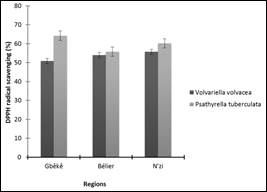
Figure 5. DPPH radical scavenging (%) of extracts of samples of V. volvacea and P. tubercula from central Côte d’Ivoire.
Methanolic extracts of several wild edible mushroom species were also successfully tested for their DPPH scavenging activity [8,17,19,20,64].
Interestingly, this is the first time that DPPH scavenging abilities were reported in these species of wild mushrooms from Côte d’Ivoire and our findings could be of the added value since both species of wild mushrooms are highly consumed in this area of Côte d’Ivoire.
4. Conclusion
This is the first time that samples of V. volvacea and P. tuberculata from the three regions of central area of Côte d’Ivoire were submitted to studies of phenolic compounds and organic acids determination and assessment of antioxidant abilities. According to the obtained results of this study, it is clearly indicated that the methanolic extracts of samples of these mushroom species had significant contents of total phenolic compounds, total flavonoids and tannins. This constitutes interesting data since phenolic compounds are included in the antioxidant compounds of mushrooms. In addition, HPLC analysis of phenolic compounds and organic acids in the different samples of mushroom revealed the presence of components such as phenolic acids, flavonoids, citric, fumaric and malic acids which are well known to possess antioxidant properties as well as positive role in the organoleptic properties (organic acids). Overall, some significant differences assigned generally to the influence of natural ecological environment, were observed within samples of V. volvacea and P. tuberculata from the three regions of central Côte d’Ivoire. In the other hand, the methanolic extracts of samples of these highly consumed mushrooms of central Côte d’Ivoire exhibited significant antioxidant properties demonstrated by their significant capacity to scavenge DPPH free radical. Therefore, V. volvacea and P. tuberculata could be regarded as a potential of easily accessible sources of natural antioxidants and other bioactive compounds for local population.
Acknowledgement
We would like to acknowledge Dr Souleymane Yorou Nourou (Abomey Calavy University of Benin/ University of Munich, Tropical Mycology, Department Biology I, Organismic Biology, Germany) for his contribution on taxonomic identification of the mushroom samples.
References
- Cheung, P. C. K. (2010). The nutritional and health benefits of mushrooms. Nutrition Bulletin, 35: 292-299
- Wang, Y. and Xu, B. (2014). Distribution of antioxidant activities and total phenolic contents in acetone, ethanol, water and hot water extracts from 20 edible mushrooms via sequential extraction. Austin Journal of Nutrition and Food Sciences, 2(1), 1-5.
- Valentão, P., Andrade, P. B., Rangel, J., Ribeiro, B., Silva, B. M., Baptista, P.andSeabra R. M. (2005a) Effect of the conservation procedure on the contents of phenolic compounds and organic acids in chanterelle (Cantharellus cibarius) mushroom.Journal of Agricultural and Food Chemistry; 53 (12): 4925-4931
- Colak, A., Faiz, O. and Sesli, E. (2009). Nutritional composition of some wild edible mushrooms. Turkish Journal of Biochemistry, 34: 25-31.
- Pilz, D. and Molina, R. (2002). Commercial harvests of edible mushrooms from the forests of the Pacific Northwest United States: issues, management, and monitoring for sustainability. Forest Ecology and Management, 155: 3-16.
- Adinya, I. B., Ijoma, J. U., Enil, I., Ewona, G., Anyorah, C. N. and Ogar, N. E. (2012). Analysis of edible mushroom marketing in three villages in Central Cross River State, Nigeria. Global Journal of Agricultural Sciences, 11: 73-80.
- Tibuhwa, D. D. (2012). Antiradical and antioxidant activities of methanolic extracts of indigenous termitarian mushroom from Tanzania. Food Science and Quality Management, 7: 13-23.
- Obodai, O., Ferreira, I.C.F.R., Fernandes, A., Barros, L. Mensah, D. L. N., Dzomeku, M., Urben, A. F., Prempeh, J. and Takli, R. K. (2014). Evaluation of the chemical and antioxidant properties of wild and cultivated mushrooms of Ghana. Molecules, 19: 19532-19548.
- Boa, E. (2006). Champignons comestibles sauvages. Vue d’ensemble sur leurs utilisations et leur importance pour les populations. Produits forestiers non ligneux. Organisation des Nations Unies pour l’alimentation et l’agriculture. Rome, 157p.
- Mattila, P., Kônkô, K., Eurola, M., Pihlava, J. M., Astola, J., Vahteristo, L., Hietaniemi, V., Kumpulainen, J., Valtonen, M.and Piironen, V. (2001). Contents of vitamins, mineraux elements, and some phenolic compounds in cultivated mushrooms. Journal of Agricultural and Food Chemistry, 49: 2343-2348.
- Sułkowska-Ziaja, K., Muszynska, B., Motyl, P., Pasko, P. and Ekiert, H. (2012). Phenolic compounds and antioxidant activity in some species of polyporoid mushrooms from Poland. International Journal of Medicinal Mushrooms, 14: 385-93.
- Yap, Y. H., Tan, N., Fung, S., Aziz, A. A. and Tan, C., NG, S. (2013). Nutrient composition, antioxidant properties, and anti-proliferative activity of Lignosus rhinocerus Cooke sclerotium. Journal of the Science of Food and Agriculture, 93: 2945-2952.
- Lee, Y.-L., Jian, S.-Y., Lian, P.-Y. and Mau, J.-L. (2008). Antioxidant properties of various extracts from Hypsizigus marmoreus. Food Chemistry, 104: 1-9.
- Soares, A. A., De Souza, C. G. M., Daniel, F. M., Ferrari, G. P., Da Costa, S. M. G. and Peralta, R. M. (2009). Antioxidant activity and total phenolic content of Agaricus brasiliensis (Agaricus blazei Murril) in two stages of maturity. Food Chemistry, 112: 775-781
- Ribeiro, B., Valentão, P., Baptista, P., Seabra, R. M. and Andrade, P. B. (2007). Phenolic compounds, organic acids profiles and antioxidative properties of beefsteak fungus (Fistulina hepatica). Food and Chemical Toxicology, 45: 1805-1813.
- Choi, Y., Lee, S. M., Chun, J., Lee, H. B. and Lee, J. (2006). Influence of heat treatment on the antioxidant activities and polyphenolic compounds of Shiitake (Lentinus edodes) mushroom. Food Chemistry, 99: 381-387.
- Ferreira, I. C. F. R., Baptista, P., Vilas-Boas, M. and Barros, L. (2007). Free-radical scavenging capacity and reducing power of wild edible mushrooms from northeast Portugal: individual cap and stipe activity. Food Chemistry, 100: 1511-1516.
- Alvarez-Parrilla, E., De La Rosa, L. A., Martinez, N. R. and Gonzalez-Aguilar, G. A. (2007).Total Phenols and Antioxident Activity of Commercial and Wild Mushrooms from Chiuahua, Mexico. Ciencia y Tecnología Alimentaria, 5: 329-334.
- Tibuhwa, D. D. and Mwanga, Z. N. (2014). A comprehensive study on Agaricus-like mushrooms from Mwalimu JK Nyerere Mlimani Campus.Tanzania Journal of Biology, Agriculture and Healthcare,4(21): 70-78.
- Hussein, J. M., Tibuhwa, D. D., Mshandete, A. M. and Kivaisi, A. K. (2015). Antioxidant properties of seven wild edible mushrooms from Tanzania.African Journal of Food Science,9: 471-479.
- Singleton, V. L., Orthofer R. and Lamuela-Raventos R. M. (1999). Analysis of total phenols and other oxidation substrates and antioxidants by means of Folin-Ciocalteu reagent. Methods in Enzymology, 299: 152-178.
- Meda, A., Lamien, C.E., Romito, M., Millogo, J. and Nacoulma, O.G. (2005). Determination of the total phenolic, flavonoid and proline contents in Burkina Fasan honey, as well as their radical scavenging activity. Food Chemistry, 91: 571-577.
- Bainbridge, Z., Tomlins, K., Willings, K. and Westby, A. (1996). Methods for assessing quality characteristics of non-grain starch staple. Part 4 advanced methods. National resources institute, University of Greenwich, UK ISBN 0-85954-400-: 43-79.
- Shimada, K., Fujikawa, K., Yahara, K. and Nakamura, T. (1992). Antioxidative properties of xanthan on the autoxidation of soybean oil in cyclodextrin emulsion. Journal of Agricultural and Food Chemistry, 40: 945-948.
- Yim, H. S., Chye, F. Y., Ho, S. K.and Ho, C. W. (2009). Phenolic profiles of selected edible wild mushrooms as affected by extraction solvent, time and temperature. Asian Journal of. Food and Agro-Industry, 2(03): 392-401.
- Keleş, A., Koca, L. and Genccelep, H. (2011). Antioxidant properties of wild edible mushrooms, Food Processing Technology, 2:1-6.
- Hung, P. V. and Nhi, N. N. Y. (2012). Nutritional composition and antioxidant capacity of several edible mushrooms grown in the Southern Vietnam. International Food Research Journal, 19: 611-615.
- Wong, F. C., Chai, T. T., Tan, S. L.and Yong, A. L. (2013). Evaluation of Bioactivities and Phenolic Content of Selected Edible Mushrooms in Malaysia Tropical.Journalof Pharmacy Research,12(6): 1011-1016.
- Naczk, M. and Shahidi, F. (2006). Phenolics in cereals, fruits and vegetables: Occurrence, extraction and analysis. Journal of Pharmaceutical and Biomedical Analysis, 41, 1523–1542.
- Vamanu, E. and Nita, S. (2013). Antioxidant capacity and the correlation with major phenolic compounds, anthocyanin, and tocopherol content in various extracts from the wild edibleBoletus edulismushroom.BioMed Research International,313905.
- Abugria, D. A. and McElhenney, W. H. (2013). Extraction of Total Phenolic and Flavonoids from Edible Wild and Cultivated Medicinal Mushrooms as Affected by Different Solvents.Journal of Natural Product and Plant Resources, 3(3):37-42.
- Parihar, S., Virani, K. D., Pithawa, E. A., Shukla, M. D., Lahiri, S. K., Jain, N. K. and Modi, H. A. (2015).Phytochemical total phenolic content, antibacterial and antioxydant activity of wild edible mushroompleurotus ostreatus.International Research Journal of Pharmacology,6(1): 65-69.
- Velioglu, Y. S., Mazza, G., Gao, L. and Oomah, B. D. (1998). Antioxidant Activity and Total Phenolics in Selected Fruits, Vegetables, and Grain Products. Journal of Agricultural Food Chemistry, 46: 4113-4117.
- Gulcin, I., Oktay, M., Kirecc, I. E. and Kufrevioglu, O. I. (2003). Screening of antioxidant and antimicrobial activities of anise (Pimpella anisumL.) seed extracts.Food Chemistry, 83:371-382.
- Van Acker, S. A., Van Balen, G. P., Van Den Berg, D. J., Bast, A. and Van Der Vijgh, W. J. (1998). Influence of iron chelation on the antioxidant activity of flavonoids. Biochemical Pharmacology, 56: 935–43.
- Arbaayah, H. H. and Umi Kalsom, Y. (2013). Antioxidant properties in the oyster mushrooms (Pleurotus spp.) and split gill mushroom (Schizophyllum commune) ethanolic extracts. Mycosphere, 4: 661-673.
- Gursoy, N., Sarikurkcu, C., Cengiz, M. and Solak, M. H. (2009). Antioxidant activities, metal contents, total phenolics and flavonoids of seven Morchella species. Food and Chemical Toxicology, 47: 2381-2388.
- Tripathy, S. S., Rajoriya, A. and Gupta, N. (2014). Wild Mushrooms of Odisha, Prospective Candidates of Antioxidant Sources.Advance in Plants & Agriculture Research 1,00021
- Türkoğlu, A., Duru, M. E., Mercan, N., Kivrak, I. and Gezer, K. (2007). Antioxidant and antimicrobial activities of Laetiporus sulphureus (Bull.) Murill. Food Chemistry, 10: 267-273.
- Mujic, I., Bavcon Kralj, M., Jokic, S., Jarni, K., Jug, T. and Prgomet, Z. (2012). Changes in Aromatic Profile of Fresh and Dried Fig: The Role of Pre-treatments in Drying Process. International Journal of Food Science and Technolog, 47: 2282-2288.
- Balbaa, A. Y., Zaki, A. Y. and Shamy, A. M. (1974). Qualitative and quantitative study of the flavonoid content of the different organs ofSophora japonicaat different stages of development. Planta Medica,25: 325–330.
- Hagerman, A. E., Riedl, K. M., Jones, G. A., Sovik, K. N., Ritchard, N. T., Hartzfeld, P. W. and Riechel,T. K. (1998). High molecular weight plant polyphenolics (tannins) as biological antioxidants.Journal of Agricultural and Food Chemistry, 46: 1887-1892.
- Akindahunsi, A. A. and Oyetayo, F. L. (2006). Nutrient and Antinutrient distribution of edible mushroom Pleurotus tuber-regium (Fries) Singer. Swiss Society of Food Science and Technology. LWT, 39: 548-553.
- Fu, Y,Ibrahim, A. S.,Sheppard, D. C.,Chen, Y. C.,French, S. W.,Cutler, J. E.,Filler, S. G. andEdwards, J. E. (2002). Candida albicans Als1p: an adhesin that is a downstream effector of the EFG1 filamentation pathway. Molecular Microbiology 44(1): 61-72.
- Cheung, L. M., Cheung, P. C. K., and Ooi, V. E. C. (2003). Antioxidant activity and total phenolics of edible mushroom extracts. Food Chemistry, 81: 249-255.
- Punitha, S. C. and Rajasekaran, M. (2014). Free radical scavenging activity of fruiting body extracts of an edible mushroom, Volvariella volvacea (Bull.ex Fr.) Singer: An in vitro study. Asian Journal of Biomedical and Pharmaceutical Sciences, 4: 6-11.
- Puttaraju, N. G., Venkateshaiah, S. U., Dharmesh, S. M., Urs, S. M.and Somasundaram, R. (2006). Antioxidant activity of indigenous edible mushrooms. Journal of Agricultural and Food Chemistry, 54: 9764-9772.
- Barros, L., Dueñas, M., Ferreira, I. C. F. R., Baptista, P. and Santos-Buelga, C. (2009). Phenolic acids determination by HPLCDAD-ESI/MS in sixteen different Portuguese wild mushrooms species. Food and Chemical Toxicology, 47: 1076-1079.
- Kim, M. Y., Seguin, P., Ahn, J. K., Kim, J. J., Chun, S. C., Kim, E. H., Seo, S. H., Kang, E. Y., Kim, S. L., Park, Y. J., Ro, H. M. and Chung, I. l. l-M. (2008). Phenolic compound concentration and antioxidant activities of edible and medicinal mushrooms from Korea.Journal of Agricultural and Food Chemistry,56: 7265-7270.
- Palacios, I., Lozano, M., Moro, C., Arrigo, M., Rostagno, MA., Martinez, JA., Garcia-Lafuente, A., Guillamon, E. & Villares, A. (2011).Antioxidant properties of phenoliccompounds occurring in edible mushrooms.Food Chemistry, 128:674-678.
- Heleno, S. A., Barros, L., Martins, A., Queiroz, M. J. R. P., Santos-Buelga, C. and Ferreira, I. C. F. R. (2012). Fruiting body spores and in vitro produced mycelium of Ganoderma lucidum from Northeast Portugal: A comparative study of the antioxidant potential of phenolic and polysaccharidic extracts. Food Research International, 46: 135-140.
- Muszyńska, B., Sułkowska-Ziaja, K. and Ekiert, H. (2013). Phenolic acids in selected edible basidiomycota species,Armillaria mellea,Boletus badius,Boletus edulis,Cantharellus cibarius,Lactarius deliciosusandPleurotus ostreatus.Acta Scientiarum Polonorum Hortorum Cultus,12(4): 107-116.
- Khatua, S, Dutta, A. K, Acharya, K. 2015.ProspectingRussula senecis: a delicacy among the tribes ofWest Bengal.Peer J,3: e810.DOI 10.7717/peerj.810.
- Ribeiro, B., Rangel, J., Valentão, P., Baptista, P., Seabra, R. M.and Andrade, P. B. (2006). Contents of carboxylic acids and two phenolics and antioxidant activity of dried Portuguese wild edible mushrooms. Journal of Agricultural and Food Chemistry, 54: 8530–8537.
- Vaz, J. A., Barros L., Martins, A., Morais J. S., Vasconcelos, M. H.and Ferreira, I. (2011). Phenolic profile of seventeen Portuguese wild mushrooms. LWT, 44: 343-346.
- Yoon, M. S., Du, G., Backer J. M., Frohman, M. A. and Chen, J. (2011a). Class III PI-3-kinase activates phospholipase D in an amino acid-sensing mTORC1 pathway.Journal of Cell Biology,195: 435–447.
- Yoon, M. S., Sun, Y., Arauz, E., Jiang, Y. and Chen, J. (2011b). Phosphatidic acid activates mammalian target of rapamycin complex 1 (mTORC1) kinase by displacing FK506 binding protein 38 (FKBP38) and exerting an allosteric effect.Journal of Biological Chemistry.286: 29568-29574.
- Ribeiro, B., Andrade, P. B., Baptista, P., Barros, L, Ferreira, I. C. F. R., Seabra, R. M.and Valentão, P. (2008). Leucopaxillus giganteus mycelium: Effect of nitrogen source on organic acids and alkaloids. Journal of Agricultural and Food Chemistry, 56: 4769-4774.
- Kouassi, K. A., Kouadio, E. J. P., Konan, K. H., Due, A. E. and Kouame, L. P. (2016). Phenolic compounds, organic acid and antioxidant activity of Lactarius subsericatus, Cantharellus platyphyllus and Amanita rubescens, three edible ectomycorrhizal mushrooms from center of Côte d’Ivoire.Eurasian Journal of Analytical Chemistry,11(3): 127-139
- Valentão, P., Lopes, G., Valente, M., Barbosa, P., Andrade, P. B.,Baptista, P. andSilva, B. M. (2005b). Quantitation of nine organic acids in wild mushrooms.Journal of Agricultural and Food Chemistry; 53 (9): 3626-30.
- Barros, L., Pereira, C.and Ferreira, I. C. F. R. (2013). Optimized analysis of organic acids in edible mushrooms from Portugal by Ultra-Fast Liquid Chromatography and Photodiode Array Detection. Food Analytical Methods, 6: 309-316.
- Ayaz, F. A., Torun, H., Özel, A., Col, M., Duran, C., Sesli, E. and Colak, A. (2011). Nutritional Value of Some Wild Edible Mushrooms from Black Sea Region (Turkey). Turkish Journal of Biochemistry, 36: 213-221.
- Elmastas, M., Isildak, O., Turkekul, I. and Temur, N. (2007). Determination of antioxidant activity and compounds in wild edible mushrooms. Journal of Food Composition and Analysis, 20: 337–345.
- Mau, J. L., Lin, H. C. and Chen, C. C. (2002).Antioxydant properties of several médicinal mushrooms. Journal of Agricultural and Food Chemistry, 50: 6072-6077.